

Electra has secured a series of U.S. patents protecting its innovative hybrid-electric propulsion and flight control architecture, marking a major step forward in the development of ultra short takeoff and landing (USTOL) aircraft. These patents cover core technologies that enable practical deployment of electric blown lift systems while maintaining conventional aircraft safety and performance standards.
The patents safeguard critical elements including flight control logic, power management, and pilot interface systems. Among them are systems for controlling the flight path of a blown-lift aircraft, advanced pilot guidance displays, and a battery disconnect system designed to enhance safety, maintenance efficiency, and operational performance. Together, these innovations define how Electra integrates distributed electric propulsion into an FAA-certifiable hybrid-electric platform.
A key breakthrough lies in Electra’s closed-loop flight control system, which allows pilots to manage the aircraft’s flight path using a single integrated power control interface. Instead of handling multiple throttles or configuration changes, pilots can select modes such as takeoff, cruise, descent, or reverse, while onboard systems automatically adjust thrust across multiple propulsors. This simplifies cockpit workload while improving precision and control.
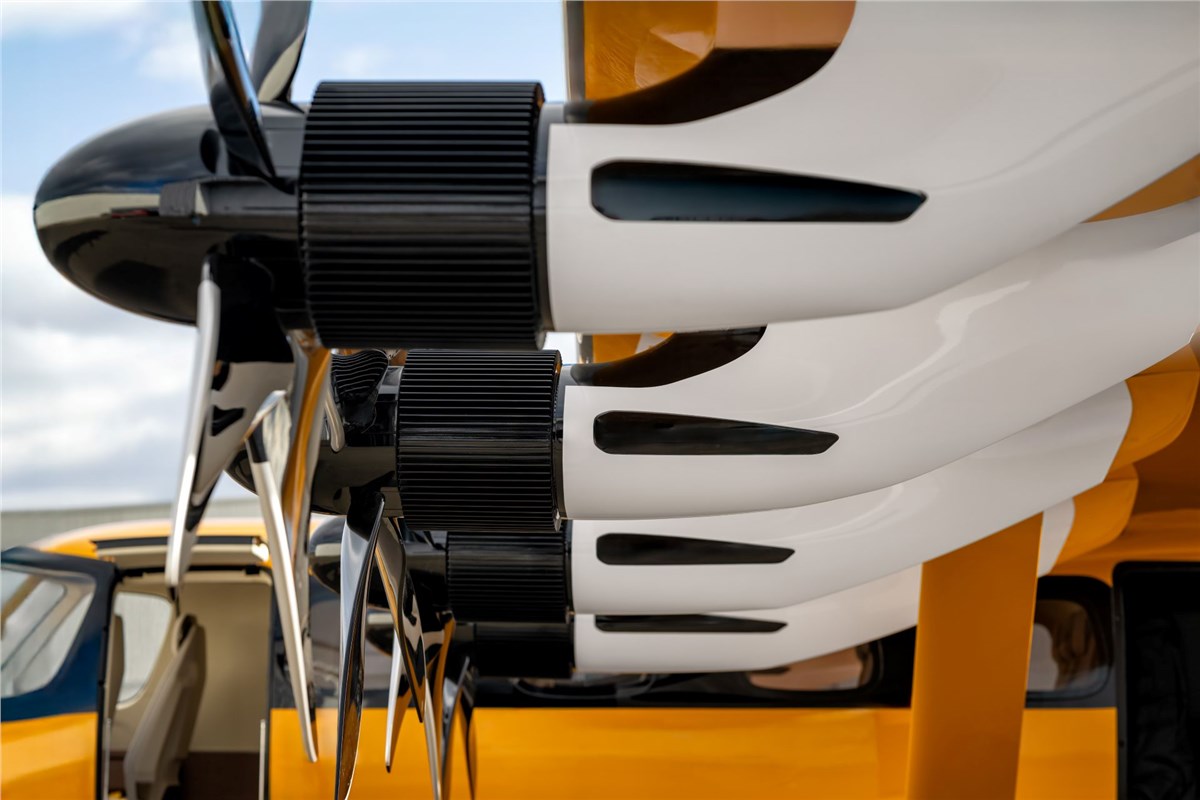
The architecture supports Electra’s blown-lift concept, where distributed electric propulsors mounted along the wing accelerate airflow to significantly increase lift at low speeds. Real-time data from sensors and onboard systems continuously optimize thrust distribution, enabling precise control of lift and aircraft attitude. This approach allows the aircraft to achieve ultra short takeoff and landing performance without compromising cruise efficiency.
Electra’s hybrid-electric system also addresses one of the biggest challenges in electric aviation—range and infrastructure limitations. By incorporating a turbogenerator to supply continuous power to the electric propulsion system, the aircraft can operate over longer distances without relying solely on battery charging infrastructure. This makes the technology more practical for real-world regional operations.
The company’s flagship EL9 is designed to carry nine passengers and operate from extremely short distances—under 150 feet—using existing infrastructure such as small runways, parking areas, or compact landing zones. This capability combines helicopter-like accessibility with the efficiency, safety, and cost advantages of fixed-wing aircraft.
Electra has already demonstrated its technology through the EL2 test aircraft and is progressing toward commercialization of the EL9. First test flights are planned for 2027, with certification and entry into service targeted around 2029–2030 under FAA Part 23 regulations.
With more than 2,200 pre-orders from over 60 global customers, including airlines and helicopter operators, Electra’s platform is gaining strong market traction. The company’s concept of “Direct Aviation” aims to transform regional mobility by reducing travel time, maximizing existing infrastructure, and connecting underserved communities.
Overall, these newly granted patents reinforce Electra’s technological leadership in hybrid-electric aviation and position the company at the forefront of next-generation regional air mobility innovation.
